অলাভজনক এবং সক্রিয়তা

Is small business ownership the recipe for Indigenous Australians' financial success? Living Black: Tuesday 7:30pm on NITV. http://www.sbs.com.au/livingblack

The Black Business Council has been on a drive to transform the South African economy and to create black industrialists since its launch in 2011. Now, a lot has changed since its launch with the economy now heading towards zero-percent growth this year.
How does all of this affect the BBC's stated plans and programmes?
For more News visit: http://www.sabc.co.za/news

If we had higher survival rates among Black-owned businesses, African Americans would be wealthier. Statistics show that while more African-Americans are opening businesses, many are closing in the first two years.
A new report by the Association for Enterprise Opportunity entitled "The Tapestry of Black Business Ownership in America" reveals the roadblocks that are preventing exponential growth.
Connie Evans, CEO of the Association for Enterprise Opportunity joined Roland Martin during Tuesday's edition of NewsOne Now to discuss what needs to happen for Black-owned businesses to achieve parity and substantial wealth.
Want more Roland Martin? Watch NewsOne Now every weekday morning starting at 7AM ET on TV One.
Follow Roland Martin on the following social media platforms:
Facebook: http://bit.ly/2dgI2GO
Twitter: http://bit.ly/2dgFOra
Instagram: http://bit.ly/2d48Acu
For more info about Roland visit http://www.rolandsmartin.com
Roland Martin Podcast on iTunes: http://apple.co/2iado2r
NewsOne Now Podcast on iTunes: http://apple.co/2abI3f4
NewsOne Now Podcast on Google Play Music: http://bit.ly/2iAhm7t
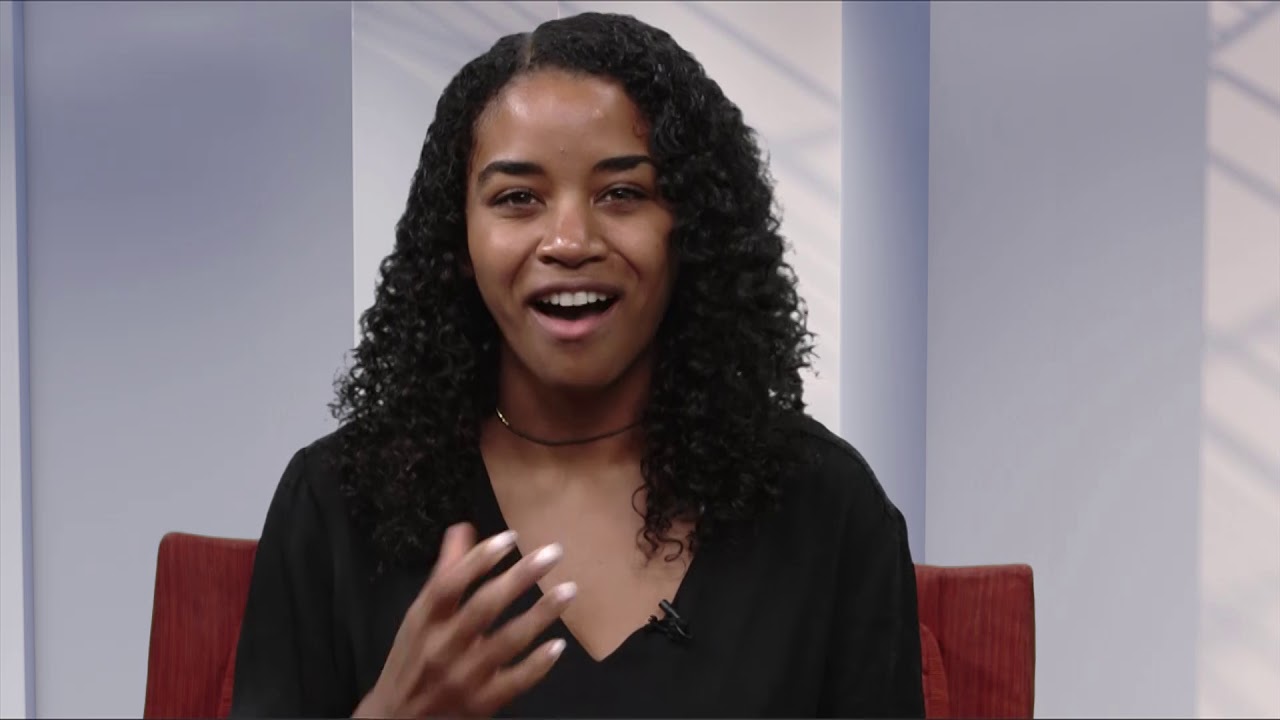
Stanford GSB students Famatta Mensah, MBA ’19, Elise Smith, MBA '20, and Ruth Lawanson, MBA ’20, answer questions about the MBA student experience, and share information about the Black Business Student Association (BBSA).
Learn More:
Stanford GSB MBA Program https://www.gsb.stanford.edu/programs/mba
GSB Clubs & Activities https://www.gsb.stanford.edu/programs/mba/student-life/clubs-activities
GSB BBSA Conference
https://www.bbsaconference.com/

The annual black business awards crowned the best in entrepreneurship last night.
The awards which have been running for 16 years, promote sustainable black business.
We're joined by two of the winners this morning.
Muhammad Simjee took the prize for the youngest entrepreneur and Sandiswa Qayi represents a business that won the prize for the innovative business award. Courtesy #DStv403

Political parties have debated their different stances on transformation at the 2019 Black Business Summit in Midrand.
We cross to our reporter Mbalenhle Mthethwa for more.
For more news, visit: sabcnews.com

Black-owned businesses are suffering because of a lack of access to credit.
According to the 2014 U.S. Census Bureau’s first Annual Survey of Entrepreneurs, Black business owners are three times as likely as Whites to say they need financing, but choose not to apply for it.
Fifty nine percent of Black business owners say they don’t apply for loans out of the fear of not being approved. The fear is justified. Only 47 percent of Black business owners get the full amount they requested versus 76 percent of Whites.
Ron Busby, President and CEO of the U.S. Black Chambers, and Michael Grant, President of the National Bankers Association, joined Roland Martin on NewsOne Now to discuss the Black business credit gap and what can be done to close it.
Want more Roland Martin? Watch NewsOne Now every weekday morning starting at 7AM ET on TV One.
Listen to The Roland Martin Show weekdays on the TuneIn Radio app 10AM ET - 1PM ET: http://bit.ly/29Pt1IS
Follow Roland Martin on the following social media platforms:
Facebook: http://bit.ly/2dgI2GO
Twitter: http://bit.ly/2dgFOra
Instagram: http://bit.ly/2d48Acu
For more info about Roland visit http://www.rolandsmartin.com
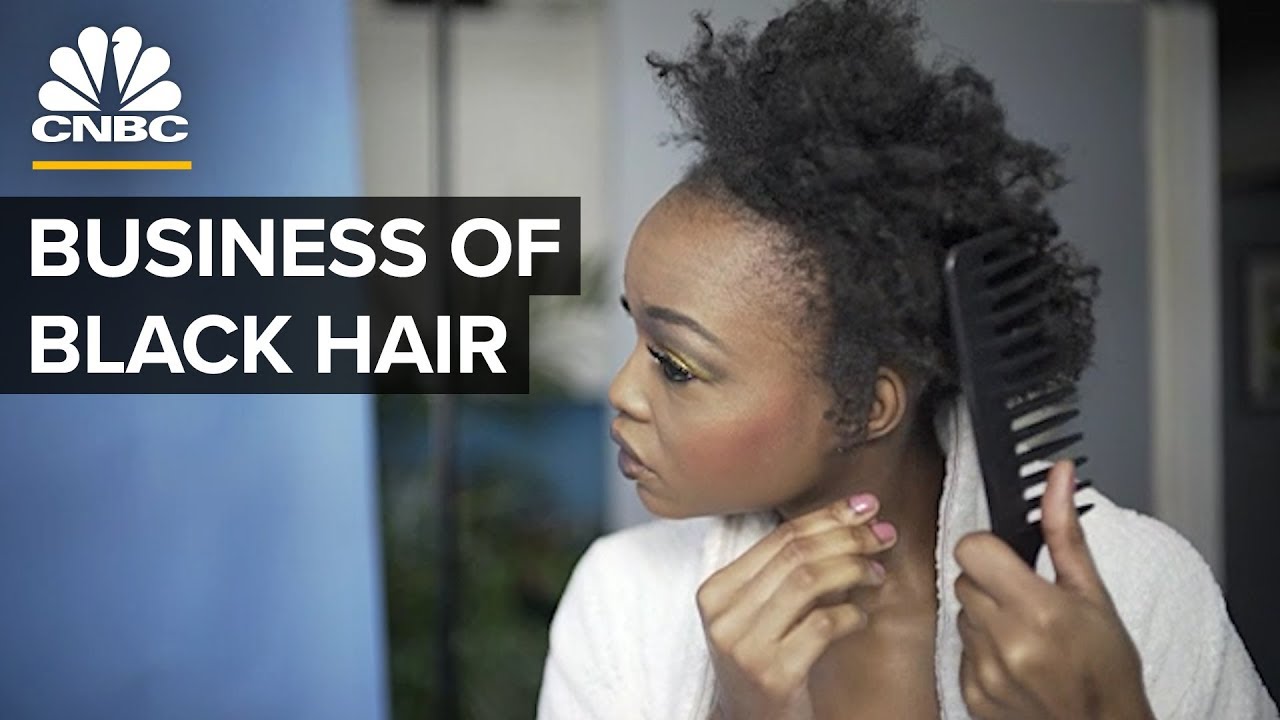
African-American men and women spend billions of dollars on their hair, but U.S. beauty care companies are missing out.
Mintel values the black hair care industry at more than $2.5 billion, but that statistic doesn't include products such as hair accessories, wigs or electric styling products. So, the industry is actually worth much more.
Most hair care products purchased by African-Americans are imported from countries such as India and China, despite the U.S. having one of the most lucrative hair care markets in the world.» Subscribe to CNBC: http://cnb.cx/SubscribeCNBC
About CNBC: From 'Wall Street' to 'Main Street' to award winning original documentaries and Reality TV series, CNBC has you covered. Experience special sneak peeks of your favorite shows, exclusive video and more.
Connect with CNBC News Online
Get the latest news: http://www.cnbc.com/
Find CNBC News on Facebook: http://cnb.cx/LikeCNBC
Follow CNBC News on Twitter: http://cnb.cx/FollowCNBC
Follow CNBC News on Google+: http://cnb.cx/PlusCNBC
Follow CNBC News on Instagram: http://cnb.cx/InstagramCNBC
The Business Of Black Hair | CNBC

A new report shows African American ownership of small businesses is on a dramatic rise in the U.S., and Florida is one of the top states for this growth. But black businesses still face some unique challenges. We look at why and how a new Black Chamber of Commerce is working to help these businesses thrive.
Guests:
Shaheewa Jarrett, Founder, Broward County Black Chamber of Commerce
Dwight Stephenson, Owner, D. Stephenson Construction

Anthony Miller accepts the Tapestry Award during the Black Business Student Association 30th Anniversary Gathering on May 4, 2013. Mr. Miller is the deputy secretary for the U.S. Department of Education, and a Stanford MBA from the class of 1992. The award was created in 2008 to honor African-American alumni of the GSB who have woven inspiration leadership, intellectual excellence, and service to others through their professional and personal lives. Former Medtronic CFO Robert Ryan and last year's Tapestry award winner Kathryn Leary also spoke at this event.
Learn more about Stanford Black Business Students Association: http://www.stanfordbbsa.com/

Finance Minister Malusi Gigaba says the Treasury will use its 500 billion rand annual procurement budget to transform the economy and give more support to black-owned businesses.
He was speaking at a business dinner hosted by the Black Business Council in Johannesburg.
For more news, visit: http://www.sabc.co.za/news

This black billionaire is creating opportunities for African American youth.
Facebook: https://www.facebook.com/ComplexHustle/
YouTube: https://www.youtube.com/channe....l/UCVAWBDbI_scGDPB4k
Twitter: https://twitter.com/complexhustle
Instagram: https://www.instagram.com/complexhustle/
Complex Hustle is a lifestyle channel for creators, entrepreneurs and young professionals navigating the new economy. Delivering daily news, expert insight and original programming – we explore all things hustle – from the corner to the corner office. It’s a platform for the leaders and change-makers of today. We sit at the intersection of media, entertainment, technology and culture. Our content covers the many stages of entrepreneurship, empowering today’s do-it-yourself generation to design the careers they want. We equip our audience with the tools and tips to create content, develop products and build businesses in the modern world.

On a Saturday afternoon CNBC Africa's Lubabalo Mashiqana joined a group of business owners from around Johannesburg to talk business, politics and BEE.

For more than seven decades, "Ebony" magazine has chronicled the most important African-American issues, personalities, and interests of its time, including operating essentially as the journal of record for the civil rights movement. But along with most other media companies, the publication faced stark challenges to survive in the rapidly changing media landscape of 2015. Senior lecturer Steve Rogers discusses Ebony magazine’s storied history, including its founder’s awareness of disruption theory years ahead of time, and what the company has meant for the black community.
Cold Call distills Harvard Business School’s legendary case studies into podcast form. Hosted by Brian Kenny, the podcast airs every two weeks and features Harvard Business School faculty discussing cases they’ve written and the lessons they impart.
Subscribe on iTunes, SoundCloud, or LibSyn.
Listen to an episode at www.hbs.edu/coldcall.

Dawn Dickson, founder and CEO of Flat Out of Heels, talks how difficult it is for a black woman to raise money from venture capitalists. Dickson also talks growing her company from a policy passed by former President Barack Obama.
Subscribe NOW to The Breakfast Club: http://ihe.art/xZ4vAcA
Get MORE of The Breakfast Club:
► WATCH MORE: https://www.youtube.com/user/breakfastclubpowerfm
► LISTEN LIVE: https://TheBreakfastClub.iheart.com/
► CATCH UP on What You Missed: http://ihe.art/Dx2xSGN
► FOLLOW The Breakfast Club on Instagram: https://www.instagram.com/BreakfastClubAM/
► FOLLOW The Breakfast Club Twitter: https://twitter.com/BreakfastClubAM
► LIKE The Breakfast Club on Facebook: https://www.facebook.com/BreakfastClubAM/
Get more Power 105:
► Listen LIVE: http://power1051fm.com/
► Facebook: https://www.facebook.com/Power1051NY/
► Twitter: https://twitter.com/power1051/
► Instagram: https://www.instagram.com/power1051/
Dawn Dickson Talks The Black Tech Community, Breaking Barriers In Black Business + More
https://youtu.be/oejOtgPDkLU
The Breakfast Club features celebrity interviews, Charlamagne tha God’s Donkey of the Day, Angela Yee’s Rumor Reports, DJ Envy’s mixes and so much more! Every guest visiting the world’s most dangerous morning show is grilled with their signature blend of honesty and humor. The results are the best interviews to be found on radio.
#BreakfastClub
#DawnDickson
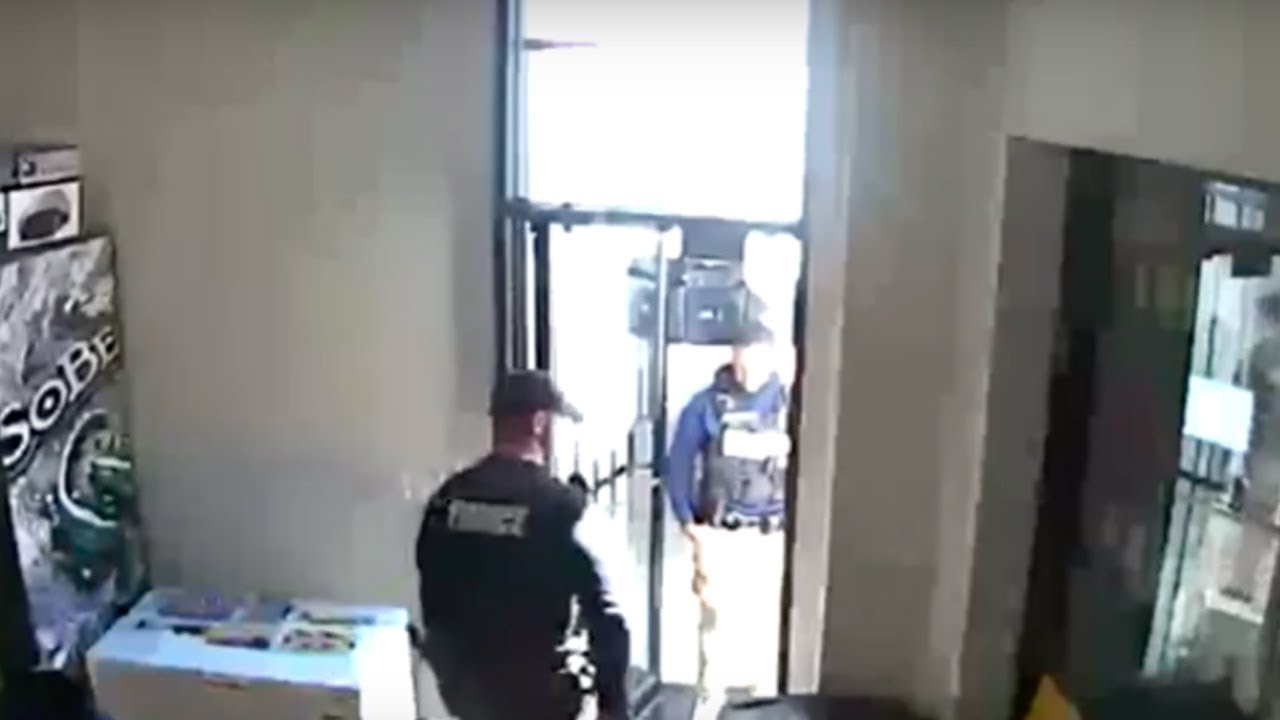
To understand how policing affects the psyche of a community, we explore the story of black business owner in Baltimore who was raided so many times he filed a lawsuit, and won
Subscribe to our page and support our work at https://therealnews.com/donate.
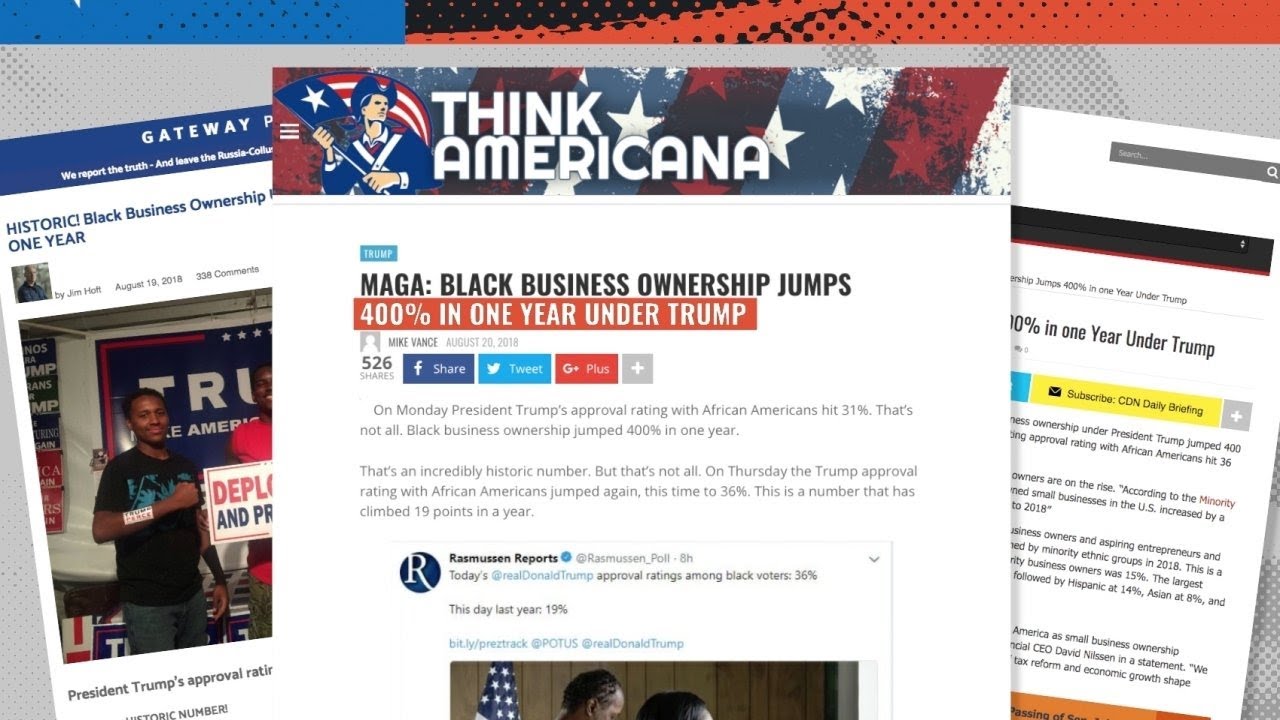
Some of the president's supporters said he deserved credit for a 400 percent climb in black business ownership. That claim isn't backed up.
Learn more about this story at [a]www.newsy.com%2F82963%2F[/a]
Find more videos like this at www.newsy.com
Follow Newsy on Facebook: www.facebook.com/newsyvideos
Follow Newsy on Twitter: www.twitter.com/newsy

Paul Simmons from Posa Apparel stopped by 9NEWS with some of the company's unique scarves. Posa is the perfect accessory for any occasion. The Boulder-based company's casual line features gender-neutral Posas, using only high quality fabrics and materials. Check out the full line at PosaApparel.com.
More local videos here: https://bit.ly/2Pa0d1l
Subscribe to NEXT: http://bit.ly/2eP1GwI
Stay connected:
9NEWS Website: http://www.9news.com/
Facebook: https://www.facebook.com/ilike9news
Twitter: https://twitter.com/9NEWS
Instagram: https://www.instagram.com/9newsdenver/
Google+: https://plus.google.com/+9news/posts
Snapchat: Denver9NEWS
Pinterest: https://www.pinterest.com/9news/
9NEWS (KUSA) is located in Denver, Colorado.

The African American CEO of a money management firm publicly criticizes the Fortune 500 for paying lip service to diversity. His board urges him to stop. What should he do? HBS Professor Steven Rogers and protagonist John Rogers discuss a new case study about the risks of speaking up, and the importance of black empowerment in the investment sector.
Cold Call distills Harvard Business School’s legendary case studies into podcast form. Hosted by Brian Kenny, the podcast airs every two weeks and features Harvard Business School faculty discussing cases they’ve written and the lessons they impart.
Subscribe on iTunes, SoundCloud, or LibSyn.
Listen to an episode at www.hbs.edu/coldcall.

A new course from Senior Lecturer Steven S. Rogers explores 14 new case studies all with black protagonists, including Ebony Magazine and Johnson Publishing Chairman Linda Johnson Rice. The course, its cases, faculty, and students examines the great business opportunities that have emerged from identifying undeserved markets of black consumers and the unique interplay between race and successful entrepreneurial ventures.

Official Website: https://to.pbs.org/2Tn9klg | #BossPBS
Learn about the untold story of African American entrepreneurship, where skill, industriousness, ingenuity and sheer courage in the face of overwhelming odds provide the backbone of this nation’s economic and social growth. BOSS: The Black Experience in Business premieres Tues, April 23 at 8/7c.
Subscribe to the PBS channel for more clips: https://www.youtube.com/user/PBS/featured
Enjoy full episodes on your favorite PBS programs at pbs.org/video
FOLLOW PBS:
Facebook: https://www.facebook.com/pbs/
Twitter: https://twitter.com/PBS
Instagram: https://www.instagram.com/PBS
Shop: http://www.shop.pbs.org/

We've read stats showing that Blacks have a buying power of $1.2 Trillion dollars and that Black women are starting businesses at a faster rate than any other group, but is this enough to change the economic inequalities that plague Black neighborhoods? Mandy Bowman discusses how it's time to focus on creating and supporting Black businesses to build long term/generational wealth.
Mandy Bowman is the Founder of Official Black Wall Street and the Social Media Manager at Essence Magazine. With a deep-rooted passion for all things social media, entrepreneurship, and Black culture, Mandy has worked tirelessly to empower and support Black entrepreneurs through her digital platform and Black business directory, Official Black Wall Street. When she isn't working to fuel Black businesses through the Official Black Wall Street platform, she is volunteering as a mentor to inner city students and creating social strategies.
This talk was given at a TEDx event using the TED conference format but independently organized by a local community. Learn more at http://ted.com/tedx